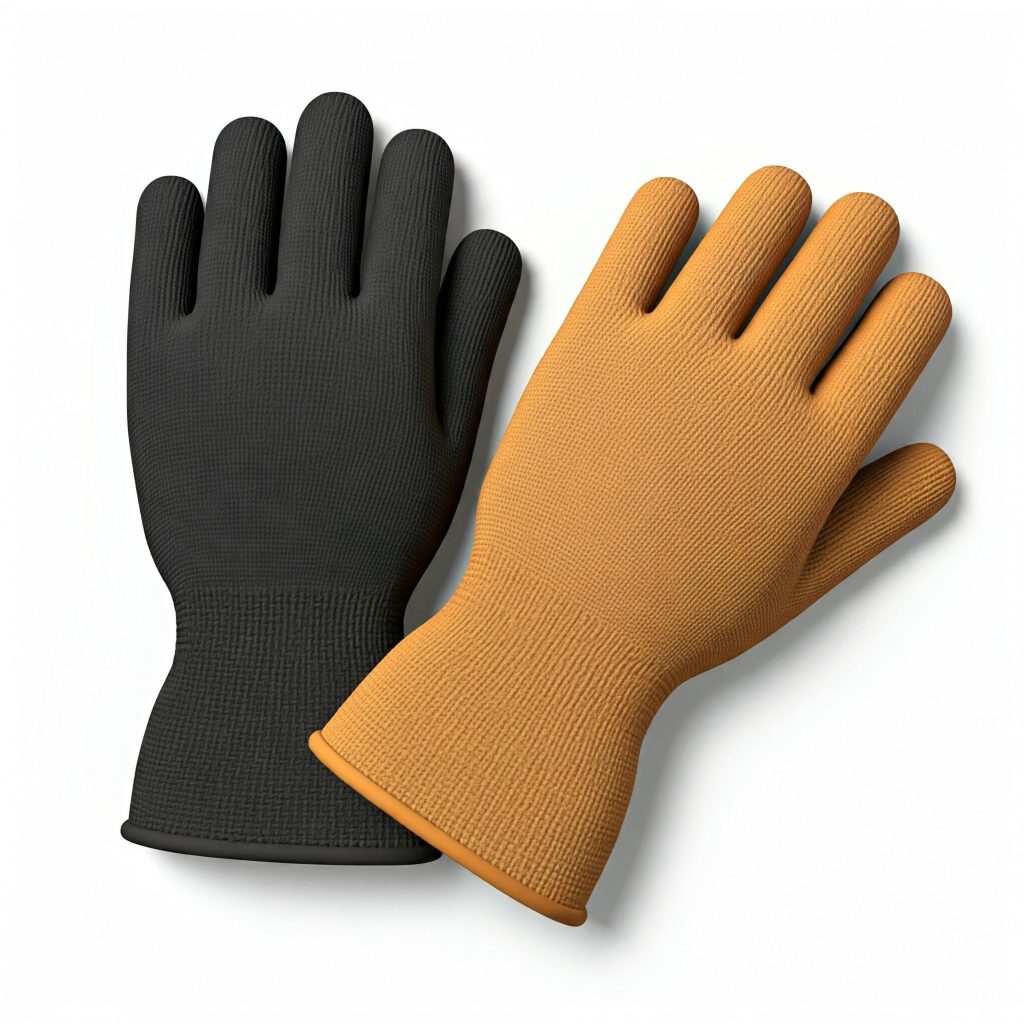
In the multifaceted landscape of industrial safety, the selection of appropriate protective gear is paramount. One significant component of this gear is cut resistant gloves, which serve as a crucial barrier against lacerations and abrasions. These gloves are indispensable in various industries, including construction, manufacturing, and food processing, where the risk of cuts and punctures is prevalent.
To appreciate the intricate nuances of cut resistant gloves, one must first comprehend their underlying purpose and construction. These gloves are meticulously engineered to provide an amalgamation of dexterity, comfort, and, most importantly, protection against mechanical hazards. The material composition of these gloves typically includes high-performance fibers such as Kevlar, Dyneema, and steel mesh, each offering distinct advantages in terms of durability and flexibility.
The efficacy of industrial gloves in safeguarding against cuts is contingent upon several critical features. Foremost among these is the glove’s cut resistance level, which is often classified according to standardized testing methods such as the ANSI/ISEA 105 or EN 388. These standards provide a quantifiable measure of the glove’s ability to withstand cutting forces, thereby facilitating informed decision-making.
Moreover, the gloves’ grip and tactile sensitivity are pivotal, particularly in environments where precision handling of tools and materials is requisite. The incorporation of coatings, such as nitrile or polyurethane, can enhance grip and abrasion resistance, thus augmenting the glove’s protective capabilities.
The selection of material in safety gloves is a determinative factor in their protective efficacy. High-performance materials such as Kevlar and Dyneema are renowned for their cut resistance and lightweight properties. Kevlar, an aramid fiber, offers exceptional resistance to cuts and heat, making it ideal for environments with thermal hazards. Dyneema, a high-modulus polyethylene fiber, provides superior cut resistance while maintaining flexibility and comfort.
In contrast, steel mesh gloves offer unparalleled protection against sharp objects but may compromise dexterity. The choice of material should thus align with the specific hazards encountered in the workplace, ensuring optimal protection without impeding operational efficiency.
The evaluation of cut resistant safety gloves necessitates a comprehensive analysis of their protective attributes vis-à-vis the operational demands of the workplace. This entails assessing the gloves’ cut resistance level in conjunction with their ergonomic design and material compatibility with the work environment.
Adherence to testing standards such as ANSI/ISEA 105 and EN 388 is imperative in determining the gloves’ protective capabilities. The ANSI/ISEA 105 standard, for instance, categorizes gloves into levels ranging from A1 to A9 based on their cut resistance, with higher levels indicating greater protection. Similarly, the EN 388 standard evaluates gloves based on their resistance to abrasion, cut, tear, and puncture, providing a holistic assessment of their protective efficacy.
While protection is paramount, the ergonomics and comfort of safety gloves should not be overlooked. Gloves that are ill-fitting or uncomfortable can lead to decreased compliance and increased risk of workplace injuries. Therefore, it is essential to select gloves that offer a balance between protection and wearability, ensuring that workers can perform their tasks efficiently without compromising safety.
The incorporation of ergonomic design features, such as pre-curved fingers and breathable liners, can enhance comfort and reduce hand fatigue, thereby promoting prolonged use and compliance with safety protocols.
The selection of cut resistant gloves should be tailored to the specific demands of the industry in which they will be used. For instance, in the food processing industry, gloves must not only provide cut resistance but also comply with hygiene standards and allow for dexterous handling of food products.
In the construction industry, gloves must withstand not only cuts but also abrasions and punctures from sharp tools and materials. Therefore, multi-layered gloves that combine different materials may be advantageous in such environments.
Recent advancements in glove technology have led to the development of gloves with enhanced protective features and improved comfort. Innovations such as touchscreen compatibility, antimicrobial coatings, and enhanced breathability are increasingly being integrated into cut resistant gloves, catering to the evolving needs of modern industries.
Compliance with regulatory standards is a critical consideration in the selection of safety gloves. Ensuring that gloves meet industry-specific regulations, such as those set forth by OSHA or the FDA, is essential to guarantee their suitability for the intended application. Regular auditing of compliance with these standards should be an integral component of the safety management system.
The judicious selection of cut resistant gloves is a critical component of workplace safety strategy. By meticulously evaluating the gloves’ protective features, material composition, and compliance with industry standards, organizations can ensure that their workforce is adequately protected against the myriad of mechanical hazards prevalent in industrial settings.
In conclusion, the integration of advanced materials and ergonomic design into cut resistant gloves underscores the importance of continual innovation and adherence to safety standards. As industries evolve, so too must the protective solutions employed, ensuring that safety remains paramount in all operational endeavors.
Find more about: