Non-woven fabric is transforming the world of sustainable materials. It offers a versatile and eco-friendly alternative to traditional textiles.
Unlike woven fabrics, non-woven materials are made by bonding fibers together. This process can involve heat, chemicals, or mechanical methods.
The result is a fabric that is durable, lightweight, and cost-effective. These qualities make non-woven fabrics ideal for a wide range of applications.
From medical supplies to automotive interiors, non-woven solutions are everywhere. They are also increasingly popular in industries focused on reducing their environmental impact.
As the demand for sustainable materials grows, non-woven fabrics are leading the way. They offer innovative solutions that align with a greener future.
What is Non-Woven Fabric? Understanding the Basics
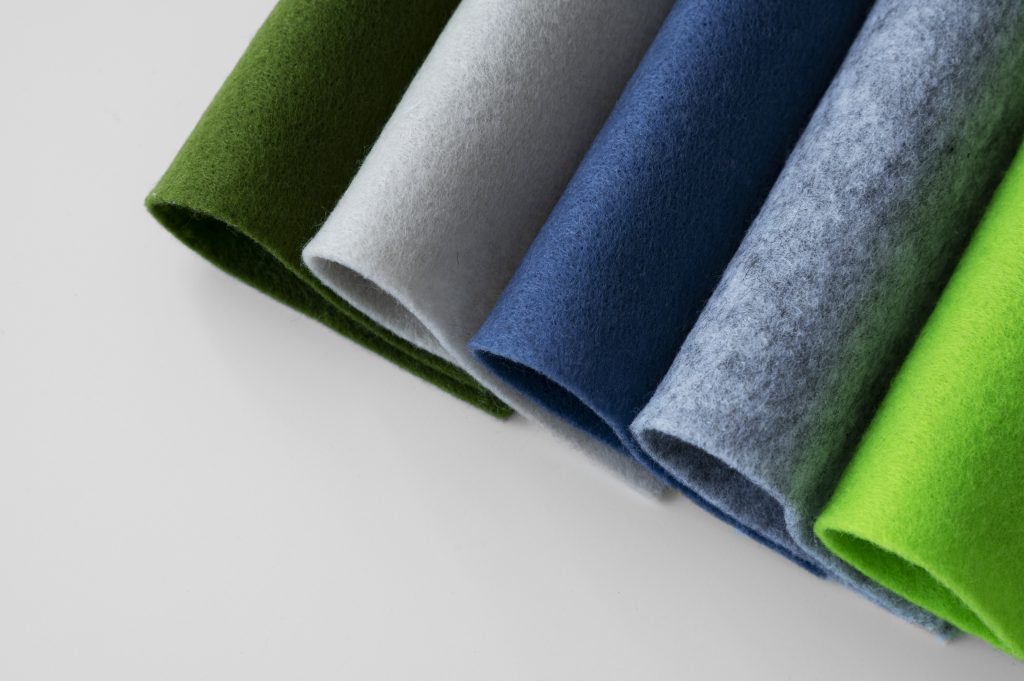
Non-woven fabric isn’t woven or knitted. Instead, it is made from fibers that are bonded by different techniques. This distinction sets it apart in the textile world.
These bonding methods can include mechanical entanglement, chemical adhesion, or thermal bonding. This versatility in production allows for a range of fabric characteristics and uses.
Non-woven fabrics can be made from various fibers, including:
- Synthetic fibers like polyester and polypropylene
- Natural fibers such as cotton and jute
- Recycled materials for added sustainability
The absence of traditional weaving gives non-woven fabrics unique properties. They can be engineered to meet specific needs, from softness to strength.
This adaptability makes them suitable for an array of applications, offering advantages in both performance and sustainability. As a result, they are increasingly used in industries that value eco-friendly solutions.
How Non-Woven Fabrics Are Made: Processes and Materials
The creation of non-woven fabrics involves innovative processes that differ from traditional textiles. The fibers are bonded using specialized techniques that eliminate the need for weaving.
The production typically involves these core steps:
- Fiber Selection: Choosing the appropriate synthetic or natural fibers.
- Web Formation: Fibers are laid down to form a web.
- Bonding Process: The web is bonded using heat, pressure, or adhesives.
Chemical bonding employs adhesives to hold fibers together, while thermal bonding uses heat to melt them into a cohesive sheet. Mechanical bonding involves using needles to entangle fibers together, creating a robust structure.
The choice of materials plays a crucial role in the fabric’s sustainability. Recycled and renewable fibers are often used to enhance environmental benefits, contributing to the fabric’s appeal as a sustainable material solution in multiple sectors.
Non-Woven vs. Woven: Key Differences and Advantages
Non-woven fabrics and woven fabrics have distinct characteristics and benefits. Non-wovens are made without weaving, resulting in a different structure and feel compared to traditional fabrics.
Key differences include:
- Production Speed: Non-wovens are faster to produce.
- Material Use: Requires less raw material than woven textiles.
- Versatility: Offers customizable properties like thickness and texture.
Non-woven fabrics often excel in durability and cost-effectiveness. Their lightweight nature reduces shipping costs and environmental impact. Moreover, these fabrics are ideal for disposable products, as they typically require less energy and resources during manufacturing. The adaptability of non-woven materials makes them a preferred choice for industries seeking sustainable and innovative material solutions.
Sustainability Benefits of Non-Woven Fabrics
Non-woven fabrics offer significant sustainability advantages. Their production uses recycled materials, significantly reducing new resource consumption. This approach aligns with eco-conscious manufacturing practices.
Another key benefit is biodegradability. Depending on the materials, non-wovens can decompose naturally. This trait makes them a favorable choice for reducing landfill waste.
Non-woven solutions contribute to water conservation. Their production often involves less water than traditional fabrics. This reduction in water use is vital for resource management in textile production.
Furthermore, non-woven fabrics support energy efficiency. With faster production times, they require less energy, lowering the carbon footprint. Their lightweight nature also reduces shipping emissions.
In summary, the sustainability benefits of non-woven fabrics include:
- Reduced resource consumption
- Biodegradability potential
- Lower water usage
- Energy-efficient production
These advantages make non-wovens a crucial element in the push for sustainable material solutions. By choosing non-woven options, industries can greatly minimize their environmental impacts.
Major Applications of Non-Woven Solutions
Non-woven fabrics are incredibly versatile. They find use in a wide array of industries due to their adaptability. These fabrics are particularly prominent in healthcare. They are essential for making medical supplies like surgical gowns and masks, which are critical for hygiene and safety.
In the automotive sector, non-wovens are indispensable. They serve as soundproofing materials and interior linings. These applications improve vehicle comfort while reducing noise, highlighting non-wovens’ practical benefits.
Agriculture also benefits immensely from non-woven solutions. They are used for crop protection and soil stabilization. This helps in reducing chemical pesticide use, promoting healthier farming practices.
Additionally, non-woven fabrics are pivotal in the fashion and apparel industry. They offer sustainable alternatives to traditional textiles, reducing the environmental impact of clothing production.
Key applications of non-woven solutions include:
- Medical supplies and hygiene products
- Automotive interiors
- Agricultural enhancements
- Fashion and apparel
With such diverse uses, non-woven fabrics play a fundamental role across various sectors, offering sustainable and effective material solutions.
Innovations and Trends in Sustainable Non-Woven Materials
The non-woven fabric industry is witnessing significant advancements. One major trend is the use of natural fibers. These fibers enhance biodegradability, making non-wovens even more eco-friendly.
Another exciting development is the focus on recyclable materials. This trend is gaining traction as industries strive for circular economy practices. Recyclable non-wovens contribute to reducing waste and promoting sustainability.
Technological innovations are also on the rise. Advanced manufacturing techniques increase non-wovens’ environmental performance. This results in fabrics with improved properties, such as water resistance and strength.
Emerging trends in non-woven materials include:
- Use of natural, biodegradable fibers
- Focus on recyclability
- Advanced manufacturing technologies
These innovations and trends are setting the stage for a brighter, more sustainable future for non-woven materials. They promise enhanced functionality and environmental benefits, paving the way for broader adoption across various sectors.
The Future of Non-Woven Fabrics in a Green Economy
Non-woven fabrics are becoming vital in achieving a green economy. Their sustainable properties attract industries eager to reduce their ecological footprint. As eco-consciousness grows, demand for eco-friendly materials like non-wovens will likely soar.
Future innovations in non-woven technology promise even greater sustainability. Emphasis on renewable raw materials and energy-efficient production methods is expected. This could lead to non-woven fabrics playing a bigger role across numerous sectors.
Collaboration between industries and non-woven fabric producers will be crucial. Together, they can develop solutions that meet both environmental and economic goals. By prioritizing sustainability, the non-woven fabric industry will significantly contribute to an environmentally friendly future.
Conclusion: Embracing Non-Woven Fabric for a Sustainable Future
Non-woven fabrics offer immense potential to transform industries sustainably. Their adaptability and eco-friendly qualities make them ideal for meeting modern environmental needs. As we embrace innovation, these fabrics can lead the way to greener solutions. By opting for non-woven materials, businesses and consumers alike support a sustainable future. This shift not only benefits the planet but also the generations to come. Prioritizing non-woven fabric solutions is key to lasting ecological harmony.