Material handling plays a critical role in the manufacturing and logistics industry. It involves the movement, protection, storage, and control of materials and products throughout manufacturing, warehousing, distribution, consumption, and disposal. As such, the efficiency of these processes can significantly impact a company’s productivity and profitability. In this article, we’ll delve into why efficient material handling is so crucial and how automated material handling systems can revolutionize operations.
Malaysia-based Prestar Marketing is your trusted company in Warehouse Equipment, Material Handling, and Storage Solutions. Efficient material handling is a cornerstone of operational success in various industries. By streamlining the movement and storage of materials, businesses can achieve higher productivity levels, reduce operational costs, and ensure a safer working environment for their employees. Automated material handling equipment, such as conveyor systems and robotic material handling, are revolutionizing the way companies manage their processes. These systems not only boost efficiency but also enhance accuracy and reliability in material transportation, ultimately leading to improved overall performance and customer satisfaction.
Understanding Material Handling Systems
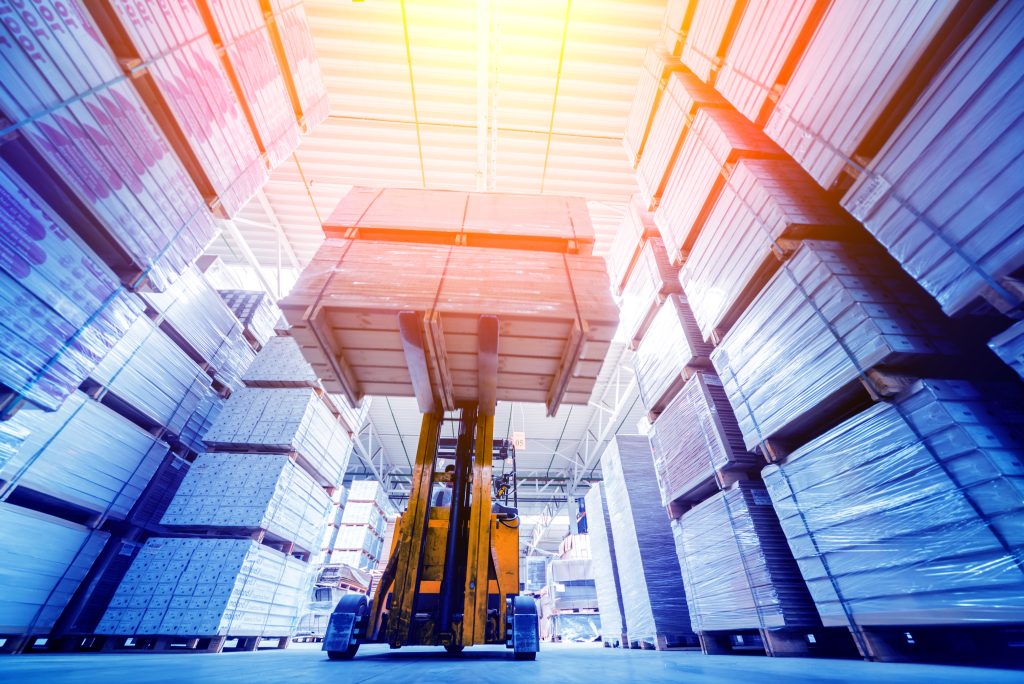
Material handling systems encompass a wide array of equipment, vehicles, tools, and storage units involved in transporting materials. These can range from simple pallet jacks to sophisticated conveyor belts and automated guided vehicles (AGVs). The goal of any material handling system is to ensure that materials are safely and efficiently moved within a facility or between locations.
Manual vs. Automated Systems
The traditional approach to material handling often involves a high degree of manual labor. Workers physically move products, which can be time-consuming, labor-intensive, and prone to errors. On the other hand, automated material handling systems employ machinery to carry out these tasks, reducing the need for manual intervention and improving efficiency.
Benefits of Efficient Material Handling
Efficiency in material handling can lead to numerous benefits for businesses. It not only minimizes waste in terms of time and resources but also enhances productivity and safety in the workplace.
Increased Productivity
When materials are handled more efficiently, tasks are completed faster and with less effort. This increases throughput and allows businesses to meet demand more effectively.
Enhanced Safety
Automated systems can reduce the risk of workplace injuries by taking over tasks that are potentially dangerous for human workers, such as moving heavy items.
Improved Accuracy
Automated material handling systems are typically equipped with advanced control systems that help ensure materials are delivered to the correct location without error, reducing the likelihood of misplacement or loss.
Reduced Labor Costs
By automating tasks, companies can save on labor costs associated with manual handling. This does not necessarily mean reducing the workforce but rather reallocating human resources to areas where they can add more value.
Automated Material Handling Systems
Automated material handling systems are at the forefront of increasing operational efficiency. They consist of integrated systems that handle and move materials with minimal human intervention.
Types of Automated Systems
- Conveyor Systems: Used for transporting items across a fixed path within a facility.
- Automated Storage and Retrieval Systems (AS/RS): Systems that automatically place and retrieve loads from defined storage locations.
- Automated Guided Vehicles (AGVs): Mobile robots that follow markers or wires on the floor or use vision or lasers for navigation.
- Robotic Material Handling: Robotic arms and systems designed to perform various material handling tasks.
Choosing the Right System
Selecting the right automated material handling system is essential. A material handling systems integrator can help businesses analyze their needs and select a system that is suited to their specific operations.
Role of a Material Handling Systems Integrator
A material handling systems integrator plays a crucial role in designing and implementing the right solution for a company’s material handling needs.
What Is a Systems Integrator?
A systems integrator is a professional service provider that specializes in bringing together various subsystems into a whole and ensuring those subsystems function together effectively.
How Can They Help?
Systems integrators assess a company’s current processes, understand the flow of materials, and recommend improvements or new systems. They can manage the project from design to installation, ensuring the chosen solutions integrate seamlessly with existing operations.
Implementing an Automated Material Handling System
The transition to an automated system is a significant undertaking. It requires careful planning, a clear understanding of the goals, and a partnership with the right integrator.
Planning and Analysis
The first step is to conduct a thorough analysis of current material handling processes. This includes identifying bottlenecks, understanding the volume and types of materials handled, and recognizing the pain points in the current system.
System Design
Based on the analysis, the integrator will design a system that addresses the identified issues and meets the company’s operational requirements.
Installation and Integration
Once the design is approved, the integrator will oversee the installation of the system, ensuring it integrates with any existing processes and technologies.
Training and Support
After installation, staff training is essential to ensure they can operate the new system effectively. Ongoing support and maintenance are also crucial to keep the system running smoothly.
Case Studies: Success Stories of Efficient Material Handling
Example 1: E-Commerce Fulfillment Center
An e-commerce fulfillment center implemented an automated conveyor system to sort and route packages. The result was a 30% increase in order fulfillment speed and a significant reduction in manual sorting errors.
Example 2: Manufacturing Plant
A manufacturing plant introduced an AS/RS, which led to a 20% improvement in storage capacity and a 15% reduction in retrieval times for materials.
Challenges and Considerations
While the benefits are clear, there are challenges to consider when implementing automated material handling systems.
Initial Investment
The upfront cost of automated systems can be significant. However, the long-term savings and efficiency gains often justify the investment.
Technology Integration
Integrating new systems with existing processes and technology can be complex. It’s important to work with experienced integrators who can manage these challenges.
Change Management
Adopting new systems requires change management to address the concerns and training needs of employees.
Conclusion
Efficient material handling is essential for the success of businesses in the manufacturing and logistics sectors. Automated material handling systems offer a way to improve efficiency, safety, and productivity. By working with a material handling systems integrator, companies can implement the right solutions to meet their unique needs and stay competitive in a fast-paced market. As technology continues to advance, the material handling industry will undoubtedly see even more innovative solutions that will propel businesses toward greater operational excellence.
In summary, efficient material handling is not just about moving things from point A to point B. It’s about optimizing the entire process to save time, reduce costs, enhance safety, and ultimately drive business success. Whether you’re considering a small upgrade or a complete overhaul of your material handling systems, the importance of efficiency cannot be overstated.